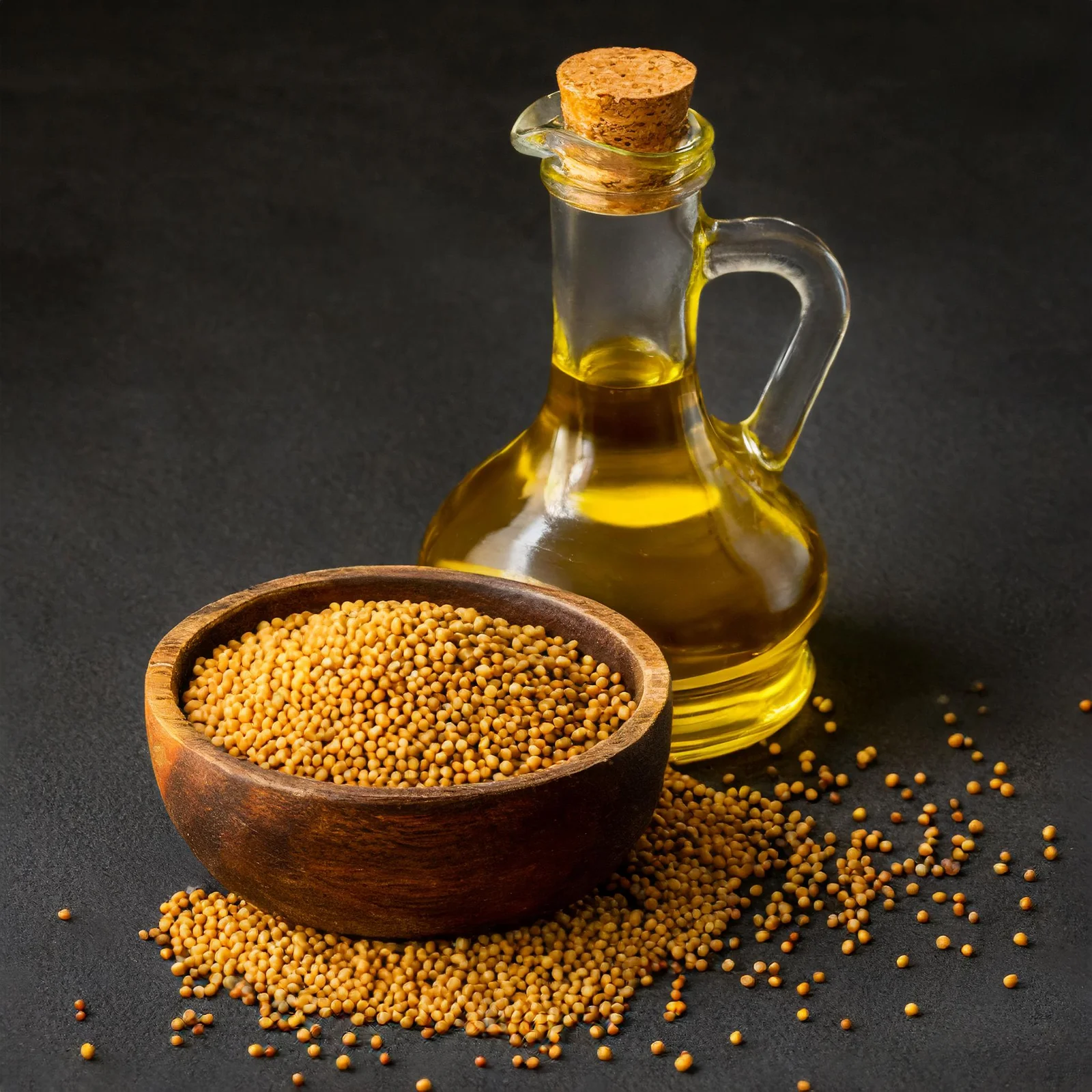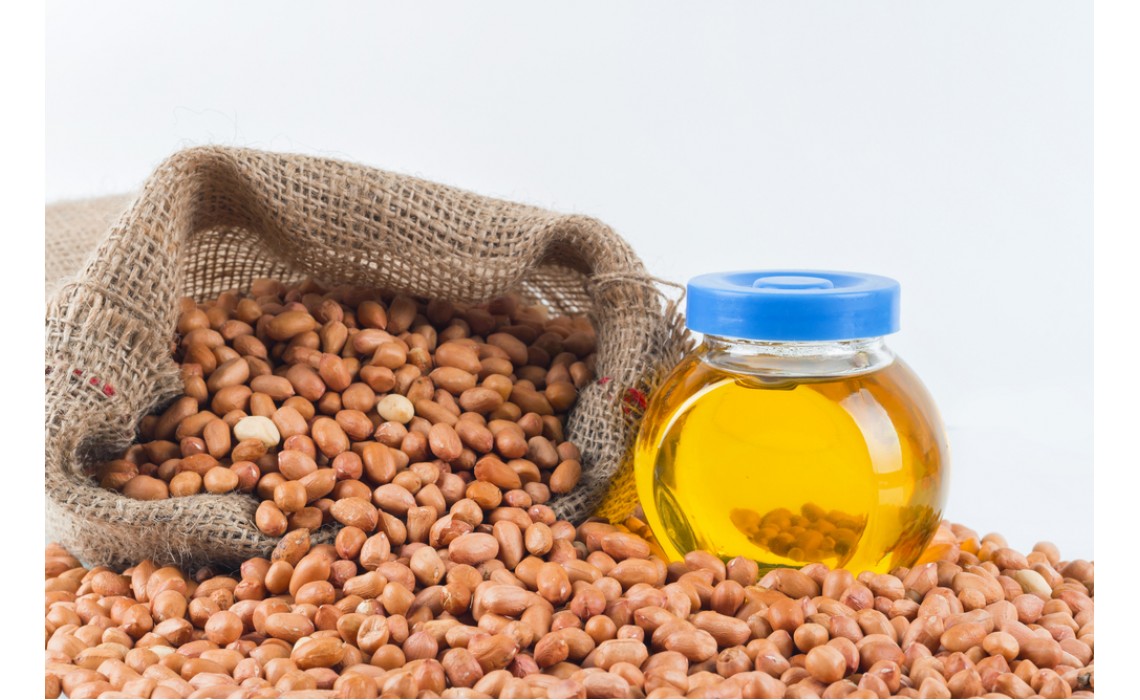
Cold Pressed Groundnut Oil
₹570
4.5
(2000)
Cold Pressed Groundnut oils have been a common cooking oil in south India for the past few centuries until it was replaced by refined oils about a decade ago. Refined oils undergo various chemical and mechanical processes that destroy all the nutrients present in the groundnut oil completely before bottling.Real unrefined cold-pressed groundnut/peanut oil is extracted at your Navmi using the traditional wooden mill (kachi Ghani/ mara chekku) method where the oil is extracted without heating or any chemical processes. Groundnut oil that is extracted using traditional cold-pressed methods is highly nutritious and healthy with all the health benefits intact.
Featured products
Organic Cow Ghee
₹2653
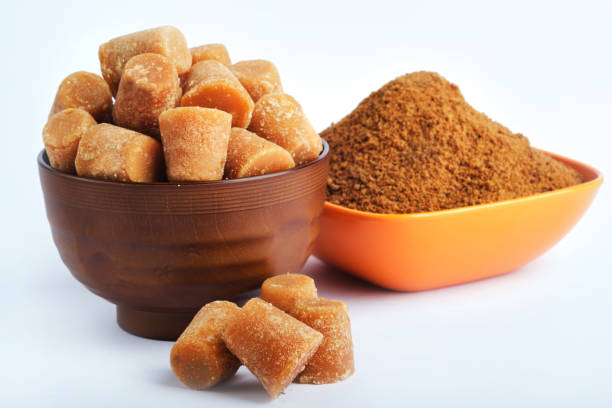
Jaggery Powder
₹180
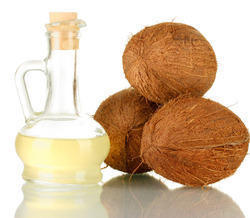
Vargin Coconut Cold pressed Oil
₹680
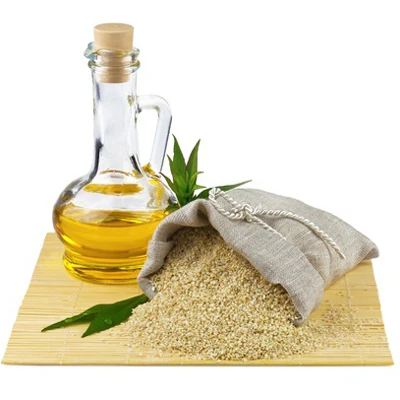
Seasame Cold Pressed Oil
₹680
Cold Pressed Groundnut Oil
₹570